
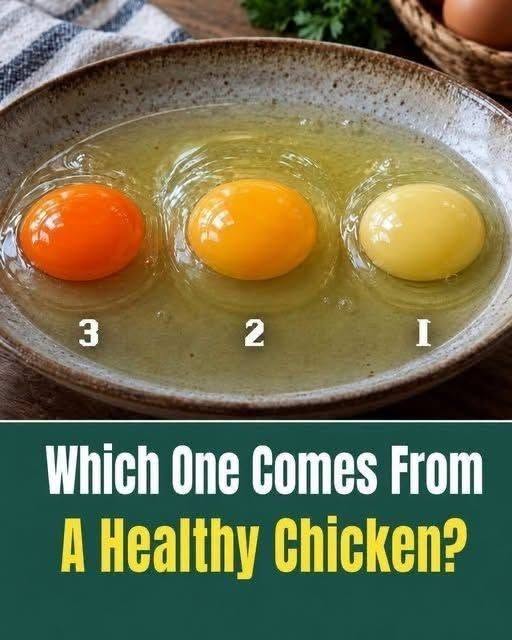
Not necessarily.
A deep orange yolk can be an indication that the hen consumed more pigment-rich foods, but yolk color alone cannot tell you whether the chicken was healthier, whether the egg contains more protein, or whether the egg is safer to eat.
Similarly, a pale-yellow yolk isn’t automatically a sign of a poor-quality egg.
What About Nutritional Value?
Diet can influence the nutritional composition of an egg, including its fatty-acid profile and certain vitamins and pigments. However, you cannot reliably judge the complete nutritional value of an egg simply by looking at the yolk.
If you’re choosing eggs, factors such as proper refrigeration, freshness, safe handling, and the production conditions are much more meaningful than yolk color alone.
What Should You Look For in a Good Egg?
When buying eggs, check that the shells are clean and intact and that the eggs have been stored appropriately. At home, keep them refrigerated and avoid using eggs with cracked shells or an unusual smell after cracking.
For the best food safety, cook eggs thoroughly, particularly when serving young children, older adults, pregnant people, or anyone with a weakened immune system.
So Which One Is the “Healthy Chicken” Egg?
You can’t determine that from the yolk color.
Egg 3 has the deepest orange yolk, while egg 1 is much paler, but the color primarily reflects differences in the hens’ diets. It isn’t a reliable health test for the chicken.
So next time you crack an egg, don’t automatically assume that the darkest yolk is the healthiest one. Color can be interesting—but it doesn’t tell the whole story.
See more on the next page